Pressure washing looks simple right up until it isn’t.
A good rinse turns into shredded wood fibers, etched concrete, water behind siding, or a tripped breaker because someone blasted the meter box like it was a patio chair.
So where’s the line between “DIY pride” and “call someone with insurance”?
Hot take: most people don’t need “more pressure.” They need more patience.
I’ve watched homeowners rent a 3,200 PSI unit and immediately reach for the red 0° tip like it’s a cheat code. It’s not. It’s a tiny water chisel.
Here’s the thing: if you’re asking What Is Pressure Washing?, cleaning power comes from a mix of PSI (pressure), GPM (flow), chemistry, and dwell time. Pros lean on flow and technique. DIYers tend to crank pressure because it feels productive.
The “Safe DIY” List (if you can follow directions)
If you can commit to testing a small area and you’re willing to stop when something feels off, you can handle plenty of exterior cleaning yourself.
Good DIY candidates
– Sidewalks and plain broom-finish concrete (no decorative overlay, no fresh pour, no failing sealer)
– Vinyl siding that’s firmly attached and not already brittle (use low pressure; rely on detergent)
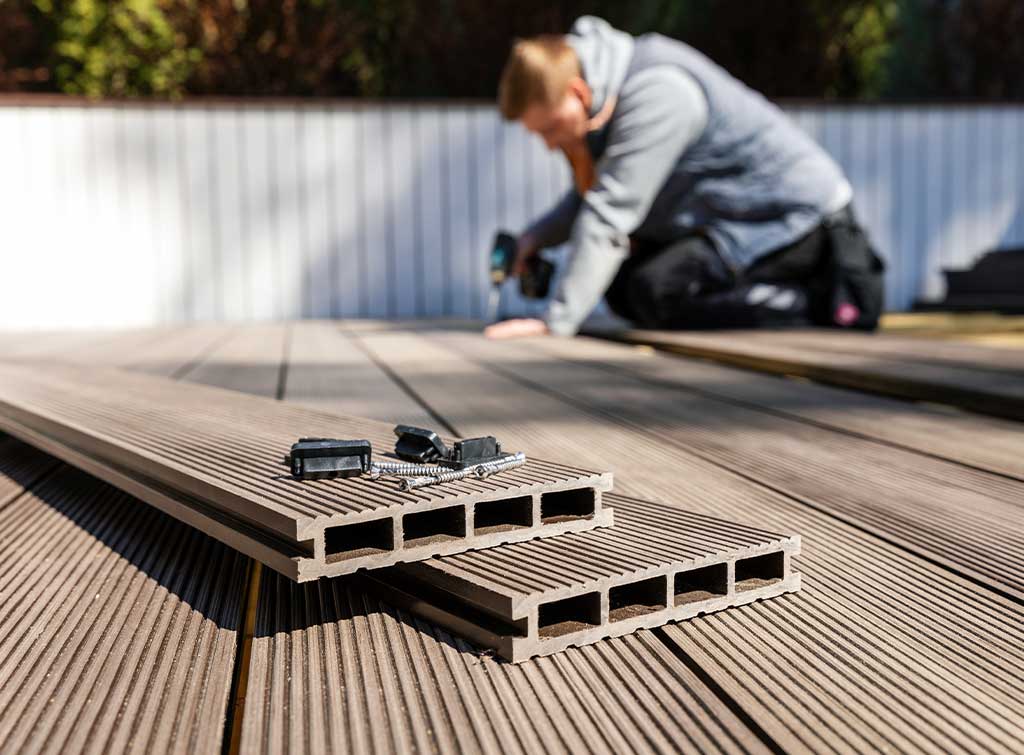
– Composite decking that’s in good shape (wide fan tip, keep distance, don’t stripe it)
– Outdoor furniture, plastic bins, garage doors (easy wins)
– Fences *only if you accept* some fuzzing risk and you use a gentle approach
Short version: if the surface is tough, flat, low-to-the-ground, and not historically valuable, DIY is usually reasonable.
DIY technique, but not the fluff version
A few rules that actually prevent damage:
Use the lowest effective pressure.
If you can clean it at 1,500, 2,000 PSI, cleaning it at 3,000 PSI isn’t “better,” it’s just faster… until it isn’t.
Stand back. Then back up more.
Distance is your real pressure regulator. Start farther than you think you need, then creep in.
Keep the wand moving.
Pausing for even half a second is how you carve tiger stripes into wood and “engrave” concrete.
Don’t spray upward into laps and seams.
That’s how water gets behind siding, under trim, into soffits, and suddenly you’re researching mildew remediation at 11 p.m.
One more: detergents aren’t decoration. Let them dwell (but don’t let them dry).
A quick stat that should change how you think about this

Consumer-grade pressure washers often deliver 1.2, 2.0 GPM, while professional units commonly run 4+ GPM. That higher flow is a big reason pros can clean faster at lower pressure. The Pressure Washer Manufacturers’ Association (PWMA) even emphasizes comparing machines using Cleaning Units (CU = PSI × GPM) rather than PSI alone. Source: PWMA consumer guidance on pressure washer ratings and CU.
Translation: the pro’s machine isn’t just “stronger,” it’s *different*.
When you should hire a pro (because the downside is ugly)
Some jobs are risky even if you’re careful. Not because you’re incompetent, but because the materials, height, or consequences are unforgiving.
Call a professional when you’re dealing with:
1) Height + water + ladders
Two-story siding, steep roofs, awkward dormers. If you’re on a ladder with a pressurized wand, you’re already in the danger zone (and I’m not being dramatic).
2) Roof cleaning
Most roofs shouldn’t be pressure washed at all. Asphalt shingles especially. Proper roof cleaning is typically low-pressure chemical application with controlled rinse, and overspray management is half the battle.
3) Old wood, soft brick, historic masonry
Aged substrates fail quietly. You won’t always see damage immediately; sometimes you “clean” it and accelerate deterioration.
4) Anything near electrical service
Meters, weather heads, service masts, exterior panels, outlets, lighting, doorbell transformers. Water intrusion here is the kind of problem that ruins your week.
5) Peeling paint or mystery coatings
If there’s a chance you’re disturbing old lead paint, you don’t want to freestyle it. Same story with unknown sealers that turn cloudy or strip unevenly.
6) Oil stains, rust, efflorescence that won’t quit
Stain removal often needs heat, specialty chemicals, agitation, or multiple controlled passes. The DIY approach is usually “more pressure,” which is how concrete ends up etched and still stained.
The real DIY vs. pro cost comparison (the part nobody wants to calculate)
DIY is cheaper on paper. Then the receipts happen.
– Rental unit: daily fee + deposit
– Detergent, pump protector, hoses, tips you didn’t know you needed
– Landscaping you accidentally nuked with overspray
– Time: setup, testing, moving furniture, cleanup, return trip
– The big one: damage risk
Now, this won’t apply to everyone, but if you’re the type to “push through” when the result looks uneven, you’re a prime candidate for costly rework. Pros aren’t magical. They’re just operating with better flow rates, surface-specific chemicals, and a lot more reps.
Also: insurance matters. If a contractor cracks a window seal or forces water behind a wall, there’s a process. If you do it, that process is called “paying for it.”
Gear talk: DIY machines vs. pro rigs (what’s actually different)
DIY machines can be fine. I’m not anti-consumer tools. I’m anti-expecting them to behave like commercial equipment.
Professional setups typically bring:
– higher, steadier GPM
– better pressure regulation and unloaders
– downstream or dedicated chemical systems
– surface cleaners that don’t leave zebra stripes
– hot water capability (for grease and gum)
– consistent maintenance and backup parts (which is boring… until it saves a job)
And yes, technique is huge. A mediocre washer in skilled hands beats a powerful washer used like a firehose.
Surfaces & hazards: what goes wrong fast
Concrete is “tough,” but it isn’t invincible. Blow out soft spots, carve control joints, shred failing sealer, expose aggregate, and you can’t un-do that.
Wood is worse. One bad pass and you’ve raised the grain so aggressively you basically signed yourself up for sanding. Composites can haze or stripe. Stucco can chip. Brick can erode at the mortar lines. Painted surfaces can peel in sheets (which feels satisfying until you realize you just created a prep job).
Look, pressure washing is removal. Sometimes you remove more than dirt.
A DIY-or-hire framework that doesn’t require a spreadsheet
The 60-second safety check
If any of these are true, pause:
– You need a ladder to reach the target area
– There are visible cracks, loose boards, failing mortar, peeling paint
– You’ll be spraying near electrical components or vents
– Runoff will flow into sensitive landscaping or a storm drain you can’t control
The “test patch” rule
Pick an inconspicuous spot.
Try the lowest reasonable pressure with a wide fan tip. If you see fuzzing, etching, striping, or water intrusion, that’s your answer.
The ego check (yes, really)
Ask yourself: *If this goes sideways, am I okay paying to fix it?*
If not, hire it out.
What you’re buying when you hire a pro
Not just “a guy with a washer.”
You’re paying for controlled workflow: pre-wet, chemical selection, dwell time, protection of plants, containment where needed, correct rinse technique, and a final inspection. A good company will also tell you what *not* to wash, which is honestly one of the biggest tells that they know what they’re doing.
And timing? Pros often finish in a fraction of the time because they’re not learning on your property.
Final thought (not a pep talk)
DIY pressure washing is great when the surface is forgiving and the stakes are low. When the surface is fragile, elevated, valuable, or close to electrical and water-sensitive areas, the smartest move is usually to pay for competence.
Clean is nice. Intact is nicer.