Environmental remediation services play a vital role in reducing environmental risks by applying advanced scientific and engineering techniques to restore contaminated land, water, and ecosystems. These services focus on identifying pollutants, controlling their spread, and implementing effective cleanup strategies that ensure long-term ecological balance. By using modern technologies and sustainable methods, remediation professionals help safeguard public health, enhance biodiversity, and support regulatory compliance. Their work contributes significantly to building safer communities and promoting responsible environmental stewardship across industrial and urban landscapes.
Advanced Techniques Driving Environmental Risk Reduction
Modern environmental remediation relies on advanced techniques such as bioremediation, soil washing, thermal treatment, and groundwater purification systems. These approaches are designed to target specific contaminants and neutralize them efficiently while minimizing disruption to surrounding ecosystems. By integrating data-driven analysis and precision monitoring tools, remediation experts can assess contamination levels accurately and deploy tailored solutions. This ensures faster recovery of affected sites and significantly reduces long-term environmental risks associated with industrial pollution and hazardous waste exposure. Clients may choose learn more for service guidance.
Key Benefits of Environmental Remediation Services
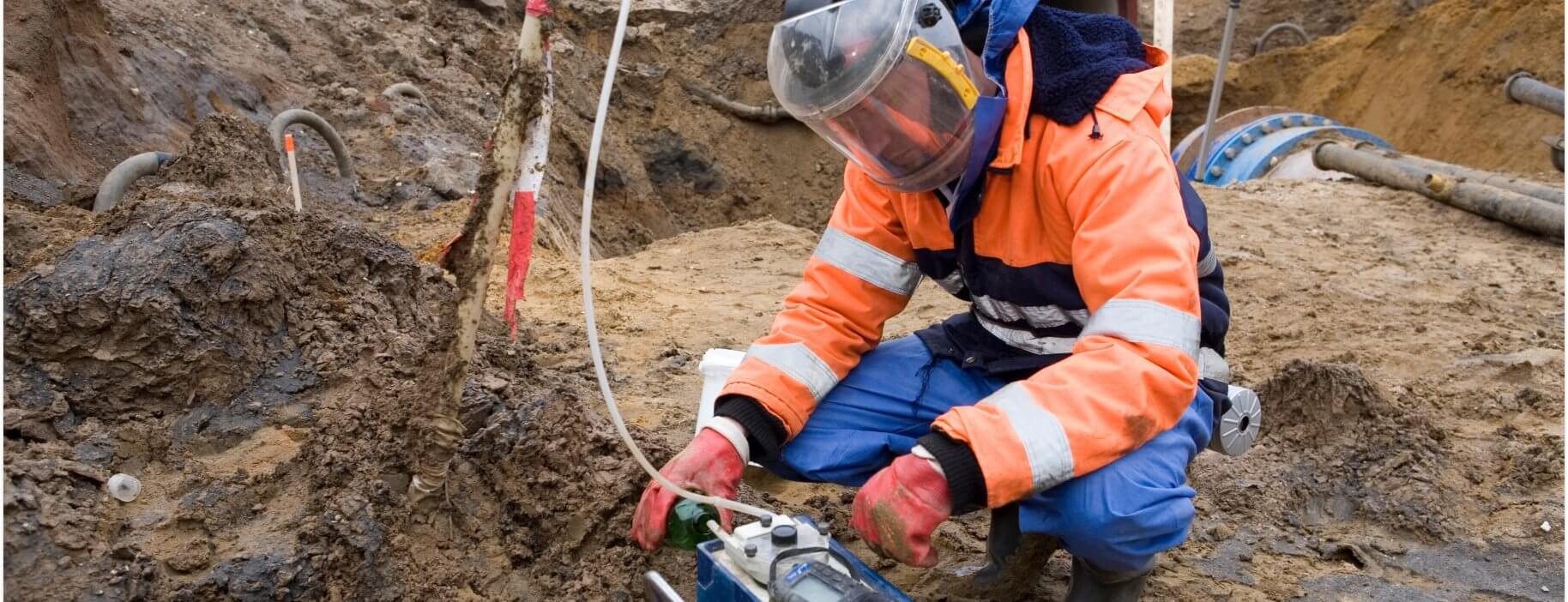
Environmental remediation services provide multiple benefits by ensuring the safe restoration of contaminated environments and reducing potential health hazards. They help prevent soil degradation, water contamination, and air pollution, thereby improving overall environmental quality. These services also support sustainable development goals by restoring natural habitats and enabling safe land reuse. Through careful planning and execution, remediation projects minimize environmental liability for industries and contribute to long-term ecological resilience.
Key advantages include:
- Reduced exposure to harmful pollutants in soil, air, and water systems
- Restoration of natural ecosystems and biodiversity balance
- Improved land usability for future development and safe habitation
- Stronger compliance with environmental safety regulations
- Long-term protection of community health and environmental stability
Role of Innovation in Risk Mitigation
Innovation plays a crucial role in environmental remediation by introducing efficient methods for detecting, analyzing, and eliminating pollutants. Advanced sensors, automated systems, and predictive modeling enhance the accuracy and speed of remediation efforts. These innovations allow professionals to respond quickly to environmental threats and prevent further contamination. As a result, ecosystems recover more effectively, and communities benefit from reduced exposure to environmental hazards and improved safety standards.
Future Outlook of Remediation Practices
The future of environmental remediation is shaped by continuous advancements in technology and increasing awareness of environmental protection. Emerging solutions such as AI-driven monitoring, nanotechnology-based cleanup methods, and eco-friendly treatment processes are expected to further enhance efficiency. These developments will enable faster identification of risks and more precise remediation actions. As global environmental challenges grow, the adoption of innovative practices will play a critical role in ensuring safer, cleaner, and more resilient ecosystems for future generations.
Conclusion
Environmental remediation services are essential for reducing environmental risks and ensuring a healthier future for ecosystems and communities. By combining advanced technologies with sustainable practices, these services effectively address contamination challenges across diverse environments. Their proactive approach not only restores damaged sites but also prevents future environmental degradation. As industries continue to evolve, the importance of reliable remediation strategies becomes even more significant in maintaining ecological balance and supporting sustainable growth. With continuous innovation and expertise, environmental remediation stands as a key pillar in global environmental protection efforts, delivering long-lasting benefits for both nature and society.