Positive eating habits can develop when meals feel organized, satisfying, and enjoyable. A simple visual method can make portion awareness easier while encouraging balanced food choices. Instead of focusing on strict rules, people can build practical routines like Portion Control Plate that support variety and confidence at every meal and across busy daily schedules.
1. Create A Balanced Starting Point
A balanced meal provides a useful foundation for positive eating habits. Dividing foods thoughtfully can make it easier to include important food groups without complicated calculations.
- Give vegetables a generous portion.
- Include a suitable source of protein.
- Add nourishing grains or carbohydrates.
- Include healthy fats in moderate amounts.
- Keep portions comfortable and practical.
- Adjust meals according to daily needs.
2. Make Vegetables More Appealing
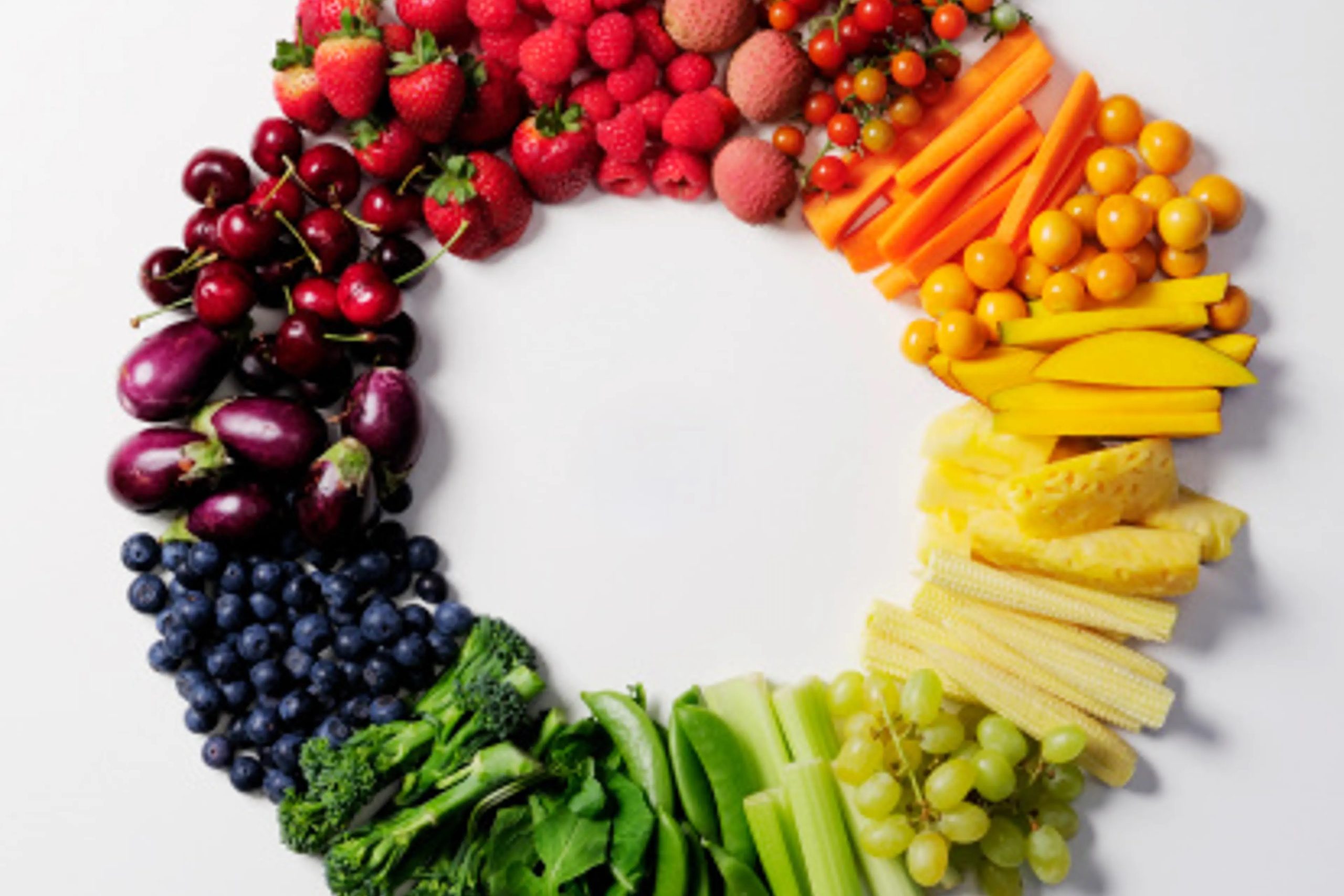
Vegetables can become a natural part of enjoyable meals when prepared in different ways. Their colors, flavors, and textures can make everyday plates more inviting.
- Try several vegetables throughout the week.
- Combine fresh and cooked varieties.
- Use herbs and spices for flavor.
- Add colorful produce to regular meals.
- Explore different preparation methods.
- Make vegetables easy to enjoy regularly.
3. Enjoy Protein With Every Meal
Protein-rich foods can add satisfaction and variety. Choosing different options helps prevent repetitive eating patterns while creating opportunities to discover enjoyable combinations.
- Include beans, lentils, or peas.
- Add eggs when they suit the meal.
- Choose fish or lean protein options.
- Explore other nutritious protein sources.
- Pair protein with vegetables and grains.
4. Practice Comfortable Portion Awareness
Understanding portions does not mean making meals restrictive. It means becoming familiar with reasonable serving amounts and noticing how foods work together to create satisfying meals.
- Begin with a sensible serving.
- Eat slowly and enjoy each bite.
- Notice hunger and fullness signals.
- Pause before taking more food.
- Allow flexibility based on individual needs.
5. Build Consistency Through Simple Planning
Positive habits become easier to maintain when preparation fits naturally into daily routines. Planning meals and ingredients ahead can reduce rushed decisions and encourage thoughtful choices.
- Plan several meals before shopping.
- Keep nutritious ingredients available.
- Prepare useful ingredients in advance.
- Create simple options for busy days.
- Use leftovers creatively when appropriate.
- Keep planning flexible when routines change.
6. Keep Meals Enjoyable
Enjoyment plays an important role in sustainable eating habits. Meals can remain nutritious while including familiar flavors, favorite ingredients, and occasional new choices.
- Try new recipes regularly.
- Combine different colors and textures.
- Keep favorite balanced meals in rotation.
- Share enjoyable meals with others.
- Appreciate food without unnecessary guilt.
Conclusion
Positive eating habits can flourish when portion awareness, balanced choices, variety, and enjoyment work together. A practical meal structure can make healthy decisions feel more natural and manageable. By planning thoughtfully, listening to hunger cues, and allowing flexibility, everyday eating can become a rewarding routine that supports confidence and lasting wellness.